
 By
By 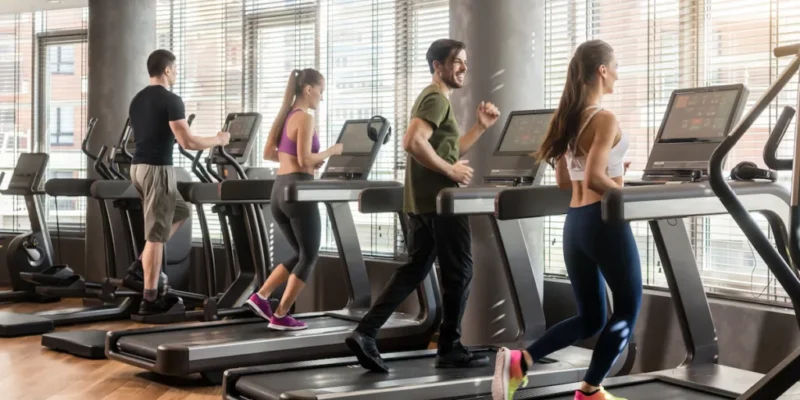
Creating a modern wellness facility goes beyond simply filling a space with exercise equipment. Today’s members expect an environment that supports their holistic health goals, blending physical fitness with mental wellbeing and recovery. A thoughtfully planned facility design is fundamental to delivering this experience and setting a new standard for health clubs.
The approach to a contemporary commercial gym fit out must be strategic, focusing on creating distinct zones that cater to different aspects of wellness. This involves considering the flow of the space, the choice of materials, and the integration of technology. For Australian facilities, this also means embracing natural light and open, airy designs that reflect our lifestyle. The goal is to build an inviting atmosphere that encourages members to stay longer and engage more deeply with their health.
A successful fitout balances functionality with atmosphere. It’s about crafting a space that feels both energising and restorative. From the moment a member walks in, the design should communicate a commitment to their total wellbeing. This includes everything from the reception area to the changing rooms and the main workout floors.
Integrated Technology for a Seamless Experience
Technology is a cornerstone of the modern gym. This includes user-friendly access control systems and seamless booking platforms for classes and personal training sessions. In the workout areas, smart equipment that tracks progress and offers guided workouts provides significant value. Furthermore, integrating facility-wide audio and visual systems allows for tailored music and digital signage, enhancing the overall atmosphere. Good connectivity with reliable Wi-Fi is no longer a luxury but a basic expectation for members who want to stream their own content or use fitness apps.
Dedicated Recovery and Mindfulness Zones
The concept of wellness extends far beyond intense physical training. Modern gyms are increasingly incorporating dedicated spaces for recovery and mindfulness. These areas provide a quiet retreat from the high-energy workout floors. Features can include studios for yoga and meditation, complete with soft lighting and calming acoustics.
Recovery zones are also gaining popularity, equipped with tools like foam rollers, massage guns, and stretching mats. Some premium facilities in Australia are even adding infrared saunas or cold plunge pools. These amenities support physical recovery, reduce the risk of injury, and offer a significant point of difference in a competitive market.
Flexible and Functional Training Spaces
Functional training remains a popular fitness trend, and a modern fitout must provide adequate space for it. This means open-plan areas with durable, versatile flooring that can withstand high-impact activities. These zones should be equipped with a variety of tools such as kettlebells, resistance bands, medicine balls, and suspension trainers.
Designing these spaces for flexibility is important. Using modular storage solutions and movable equipment allows the area to be easily reconfigured for group classes, personal training sessions, or individual workouts. This adaptability ensures the gym can meet the changing needs of its members and accommodate new fitness trends as they emerge.









Comments