
 By
By 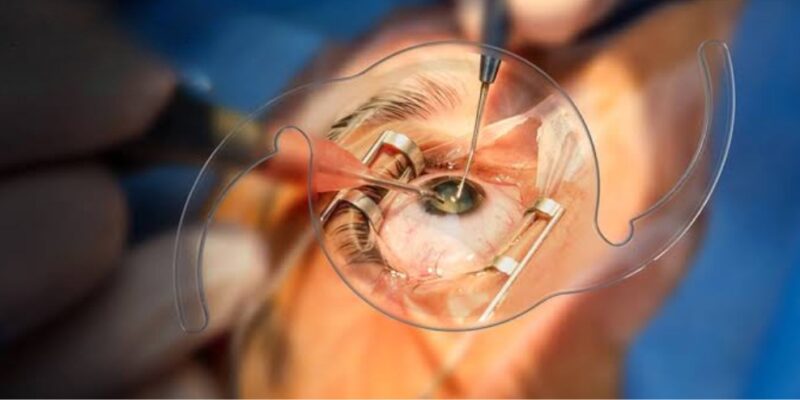
Cataracts are a common age-related condition that can gradually cloud vision and interfere with daily activities. Fortunately, modern cataract surgery is highly effective in restoring clear sight. With several surgical options available today, understanding the differences can help you choose the approach that best suits your needs and lifestyle.
What Is Cataract Surgery?
Cataract surgery is a procedure that removes the cloudy natural lens of the eye and replaces it with a clear artificial lens, known as an intraocular lens (IOL). It is typically recommended when cataracts begin to significantly affect vision and quality of life.
The procedure is safe, quick, and commonly performed on an outpatient basis. Advancements in cataract surgery techniques have improved both precision and recovery times, making it one of the most successful medical procedures available today.
Phacoemulsification (Standard Cataract Surgery)
Phacoemulsification is the most widely used technique for cataract removal. It involves using ultrasound energy to break the cloudy lens into tiny fragments, which are then gently removed. A small incision is made in the eye, allowing for faster healing and minimal discomfort.
Once the lens is removed, an artificial lens is inserted in its place. This form of cataract surgery is suitable for most patients and offers excellent outcomes with a relatively quick recovery period.
Femtosecond Laser-Assisted Cataract Surgery
Laser-assisted cataract surgery is a more advanced technique that uses a femtosecond laser to perform key steps of the procedure. The laser can create precise incisions, soften the cataract, and assist in lens removal.
This added precision may improve accuracy and reduce the amount of ultrasound energy needed. Although similar to traditional methods, this type of cataract surgery is often chosen by patients seeking a more technologically advanced option.
Extracapsular Cataract Extraction (ECCE)
Extracapsular cataract extraction is a less commonly used method today but may still be recommended in certain cases, particularly when the cataract is very dense. In this procedure, a larger incision is made to remove the cloudy lens in one piece. An artificial lens is then placed inside the eye. While effective, this type of cataract surgery generally requires a longer recovery time compared to modern small-incision techniques.
Choosing the Right Intraocular Lens (IOL)
In addition to the surgical technique, selecting the right intraocular lens is an important part of the decision-making process. Monofocal lenses provide clear vision at a single distance, usually for far vision.
Multifocal and extended depth-of-focus lenses offer a broader range of vision, potentially reducing the need for glasses. Your eye specialist will recommend the most suitable option based on your visual needs, lifestyle, and overall eye health.
Factors to Consider When Choosing a Surgery Type
Several factors can influence which type of cataract procedure is best for you. These include the severity of your cataract, the health of your eyes, and your personal preferences. Cost may also play a role, as advanced techniques like laser-assisted procedures can be more expensive.
However, they may offer additional benefits in terms of precision and customization. Discussing your options with an experienced ophthalmologist can help you determine which cataract surgery approach aligns with your expectations and goals.
Recovery and Expected Outcomes
Recovery from cataract surgery is generally quick, with many patients noticing improved vision within a few days. It is important to follow post-operative instructions carefully, including using prescribed eye drops and avoiding strenuous activities during the healing period. Most people achieve significantly clearer vision after cataract surgery, allowing them to return to their normal routines with greater confidence.
Conclusion
Choosing the right type of cataract procedure involves understanding the available options and how they align with your individual needs. Each method offers its own advantages, and the best choice will depend on your specific condition and lifestyle.
With the continued advancement of cataract surgery, patients today have more options than ever before. By working closely with your eye care provider, you can make an informed decision and look forward to improved vision and quality of life.









Comments