
 By
By 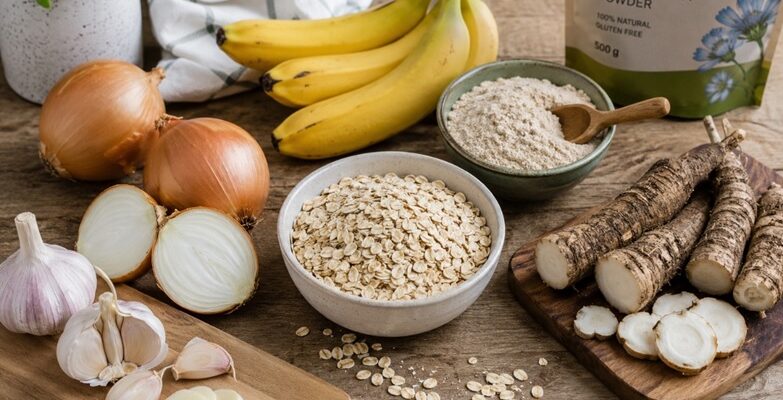
Probiotics tend to get all the attention in gut health conversations, but prebiotics arguably deserve just as much credit. Without adequate prebiotic intake, even the most carefully chosen probiotic strain has a harder job to do. Understanding what prebiotics actually are, and how to get more of them into your diet, is one of the simplest yet most overlooked steps in supporting digestive wellbeing.
This guide breaks down the basics of prebiotics, where they come from, and practical ways to incorporate them into everyday eating.
Prebiotics vs Probiotics: Clearing Up the Confusion
It’s an easy mix-up to make, given how similar the words sound. Probiotics are live microorganisms, the bacteria themselves. Prebiotics, on the other hand, are types of fibre and compounds that those bacteria feed on. Think of probiotics as the seeds and prebiotics as the soil and fertiliser that help those seeds actually grow and thrive.
Crucially, prebiotics aren’t digested by the human body in the way that other carbohydrates are. Instead, they pass through the upper digestive tract largely intact and reach the large intestine, where resident gut bacteria ferment them, producing beneficial compounds in the process.
Why Prebiotic Fibre Matters So Much
Most discussions about fibre focus on digestive regularity, and while that’s certainly part of the picture, prebiotic fibre specifically plays a more targeted role in feeding beneficial bacteria. When these bacteria ferment prebiotic fibre, they produce short-chain fatty acids, which research increasingly links to a range of broader health benefits beyond just digestion.
The trouble is that many modern diets fall well short of recommended fibre intake, with highly processed foods often stripped of the fibre content that whole foods naturally contain. This gap is part of why dedicated prebiotic supplements have become increasingly popular as a practical way to bridge the difference.
Common Food Sources of Prebiotics
Plenty of everyday foods contain naturally occurring prebiotic fibre, even though most people aren’t necessarily eating them with that specific purpose in mind. Garlic, onions, leeks, asparagus, and bananas all contain meaningful amounts, as do legumes like lentils and chickpeas.
Whole grains, particularly oats and barley, also contribute prebiotic fibre, along with foods like Jerusalem artichokes and chicory root, which are among the richest natural sources available. The challenge for many people isn’t a lack of options, but simply not eating enough variety or quantity of these foods consistently.
When Food Alone Isn’t Quite Enough
For people managing sensitive digestion, conditions like IBS, or simply busy schedules that make consistent whole-food eating difficult, prebiotic supplementation can fill a practical gap. One option that’s gained particular traction is Partially Hydrolysed Guar Gum, a soluble fibre that’s often better tolerated than other concentrated fibre sources, particularly by people who find typical high-fibre foods cause discomfort.
This type of fibre dissolves easily, is virtually tasteless, and can be added to drinks, soups, or meals without significantly altering taste or texture, making it a practical option for people who want consistent fibre intake without the bulk and bloating that some fibre sources can cause.
Looking Beyond Fibre: Other Prebiotic-Rich Options
While fibre is the most commonly discussed prebiotic category, it’s not the only one. Certain prebiotic powder formulations combine multiple beneficial compounds beyond standard fibre, designed to support a broader range of gut functions rather than focusing on digestive regularity alone.
Specific compounds like chicory root fibre have also become popular standalone options, prized for their naturally high inulin content — a well-studied prebiotic fibre type that’s been used in food production for decades, even before the broader gut health conversation gained mainstream attention.
Starting Slowly: A Practical Tip Often Skipped
One mistake people commonly make when increasing prebiotic intake, whether through food or supplements, is doing it too quickly. A sudden jump in fibre intake can cause temporary bloating, gas, or digestive discomfort, even though the long-term goal is improved digestive function.
A more sensible approach involves gradually increasing intake over several weeks, giving the gut microbiome time to adjust to the increased fibre load. This is particularly relevant for anyone moving from a typical low-fibre diet towards a more prebiotic-rich routine.
Combining Prebiotics With Other Gut Health Habits
Prebiotics work best as part of a broader, considered approach to gut health rather than as a standalone fix. Pairing increased prebiotic intake with regular consumption of fermented foods, adequate hydration, and reasonable sleep and stress management tends to produce a more meaningful overall impact than focusing on fibre alone.
Many Australians now approach gut health with this kind of layered strategy, recognising that no single food, supplement, or habit works in isolation. Prebiotics simply happen to be one of the more accessible, lower-effort pieces of that broader puzzle.
Prebiotics for Sensitive Digestion
Not every fibre source is appropriate for every gut, and this is particularly relevant for people managing conditions like IBS, where certain prebiotic fibres (especially those classified as high-FODMAP) can actually worsen symptoms rather than improve them. This is a common source of confusion, since fibre is so often presented as universally beneficial without much nuance.
For people in this position, choosing low-FODMAP-friendly fibre sources becomes particularly important, which is part of why certain soluble fibres have grown in popularity specifically among people who’ve struggled with more traditional, higher-FODMAP prebiotic options. Working through which sources suit your particular digestive system often takes a bit of trial and error, ideally undertaken gradually and with attention to how your body responds.
Reading Labels on Prebiotic Products
When shopping for prebiotic supplements, it’s worth paying attention to the specific fibre type listed, since prebiotics aren’t a single uniform ingredient any more than probiotics are a single bacterial strain. Inulin, guar gum, and resistant starch all behave somewhat differently in the gut, with different fermentation rates and different likelihoods of causing initial bloating.
Dosage guidance also varies considerably between products, and starting at the lower end of a recommended range, then gradually increasing as tolerance builds, tends to produce a more comfortable experience than jumping straight to a full dose from day one.
Final Thoughts
Prebiotics may not get the same spotlight as probiotics, but they play an equally important supporting role in gut health. Whether through everyday foods like garlic, onions, and legumes, or through more concentrated supplement options for those needing a gentler or more measured approach, increasing prebiotic intake is one of the simpler, evidence-backed steps available for supporting overall digestive wellbeing.
As with most aspects of gut health, consistency and gradual adjustment matter far more than dramatic, sudden changes. Building prebiotic-rich habits slowly, alongside other supportive routines, tends to deliver the most sustainable results over time.




Comments