
 By
By 
Maintaining good health does not depend on complicated routines or extreme lifestyle changes. Instead, consistent daily habits, balanced nutrition, regular activity, and mental well-being practices form the foundation of long-term wellness. Practical health strategies support stronger immunity, higher energy levels, and improved quality of life.
The following tips focus on realistic steps that can be followed easily in everyday life.
Eat a Balanced and Nutritious Diet 🥗
Food plays a major role in supporting body functions, energy production, and disease prevention. A balanced diet provides essential nutrients needed for long-term health.
Include these regularly:
- Fresh fruits and vegetables
- Whole grains like oats and brown rice
- Protein-rich foods such as lentils, eggs, and dairy
- Healthy fats from nuts and seeds
- Adequate daily hydration
Balanced meals help maintain stable energy and support metabolic health.
Stay Physically Active Every Day 🚶♂️
Regular movement improves cardiovascular health, muscle strength, and flexibility. Physical activity also supports emotional well-being.
Simple activities that help maintain fitness include:
- Brisk walking
- Cycling
- Stretching routines
- Strength training
- Yoga or mobility exercises
Even moderate daily activity significantly improves long-term health outcomes.
Maintain Consistent Sleep Patterns 😴
Sleep supports recovery, memory, and hormone regulation. Poor sleep can affect concentration and weaken immunity.
Healthy sleep habits include:
- Going to bed at a regular time
- Limiting screen exposure before sleep
- Creating a comfortable sleeping environment
- Avoiding heavy meals late at night
Consistent sleep improves both mental clarity and physical performance.
Drink Enough Water Throughout the Day 💧
Hydration supports digestion, circulation, and temperature regulation. It also helps maintain energy levels during daily activities.
Benefits of proper hydration include:
- Improved concentration
- Better digestion
- Reduced fatigue
- Healthier skin
- Enhanced metabolic function
Regular water intake keeps body systems functioning efficiently.
Manage Stress in Healthy Ways 🧘♀️
Stress affects both physical and emotional health. Learning to manage stress improves overall well-being and decision-making ability.
Helpful stress-management techniques include:
- Deep breathing exercises
- Meditation routines
- Spending time outdoors
- Journaling thoughts
- Engaging in hobbies
Managing stress supports emotional stability and resilience.
Follow Preventive Healthcare Practices
Preventive care helps identify potential concerns early and supports long-term wellness.
Important practices include:
- Scheduling routine health check-ups
- Monitoring blood pressure regularly
- Maintaining dental hygiene
- Staying updated with vaccinations
- Seeking medical advice when symptoms appear
Early prevention reduces the risk of serious health complications.
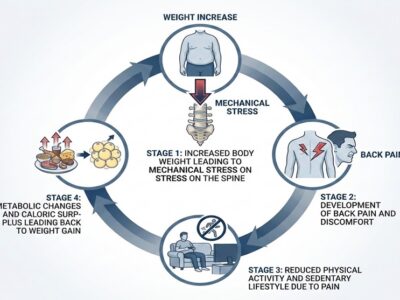
Maintain a Healthy Body Weight ⚖️
Maintaining a healthy weight supports heart health, joint function, and energy levels.
Healthy weight management strategies include:
- Balanced nutrition
- Regular physical activity
- Adequate sleep
- Portion control
- Consistent hydration
Stable weight supports overall metabolic health.
Build Positive Social Connections 🤝
Healthy relationships contribute to emotional well-being and reduce feelings of stress and isolation.
Ways to strengthen connections include:
- Spending time with family
- Maintaining friendships
- Participating in community activities
- Sharing experiences with supportive people
Strong relationships improve both mental and physical health.
Limit Harmful Lifestyle Habits
Reducing unhealthy habits protects long-term health and improves daily performance.
Consider minimizing:
- Excessive screen time
- Sedentary routines
- Irregular meal patterns
- High intake of processed foods
- Poor sleep habits
Replacing negative habits with healthier choices supports lasting wellness.
Spend Time Outdoors Regularly 🌞
Exposure to natural environments supports mood balance and encourages physical movement.
Benefits include:
- Reduced stress levels
- Improved concentration
- Better sleep patterns
- Increased physical activity opportunities
Regular outdoor time supports both mental and physical health.
Stay Mentally Active and Engaged 🧠
Mental stimulation supports memory, creativity, and cognitive health.
Helpful activities include:
- Reading regularly
- Learning new skills
- Solving puzzles
- Practicing creative hobbies
- Participating in meaningful discussions
Mental engagement strengthens long-term brain health.
Frequently Asked Questions (FAQs)
1. How many hours of sleep are recommended for maintaining good health?
Most adults benefit from 7 to 9 hours of quality sleep each night for proper recovery and mental function.
2. Is walking enough to maintain overall health?
Yes, regular brisk walking supports cardiovascular fitness, weight management, and mental well-being.
3. How often should preventive health check-ups be scheduled?
Many adults benefit from annual health check-ups, though frequency may vary depending on age and medical history.
4. Does hydration affect energy levels during the day?
Yes, proper hydration supports circulation and metabolism, which helps maintain steady energy levels.
5. Can social connections influence physical health?
Yes, supportive relationships help reduce stress and improve emotional stability, which benefits physical health.
6. Are small lifestyle changes effective for long-term health improvement?
Yes, consistent small improvements often lead to significant long-term health benefits.
7. Why is maintaining a daily routine important for health?
Structured routines help regulate sleep patterns, nutrition habits, and activity levels, supporting overall well-being.









Comments