
 By
By 
Losing weight safely is not about extreme diets or quick fixes. Instead, sustainable weight loss focuses on gradual lifestyle improvements that support long-term health, steady progress, and consistent results. When done correctly, it improves energy levels, reduces health risks, and strengthens overall physical and mental well-being.
This guide explains practical strategies that help you lose weight responsibly while maintaining strength, nutrition, and motivation.
Why Sustainable Weight Loss Matters
Rapid weight loss methods often lead to temporary results and can negatively affect metabolism, muscle mass, and energy levels. Sustainable approaches prioritize health while promoting steady fat reduction.
Long-term weight management helps:
- Preserve muscle mass
- Improve heart health ❤️
- Stabilize blood sugar levels
- Support hormonal balance
- Reduce risk of lifestyle-related diseases
- Maintain lasting results
Consistency always produces better outcomes than extreme dieting.
Set Realistic and Achievable Goals
Healthy weight loss typically occurs at a gradual pace. Setting realistic targets prevents frustration and improves long-term adherence.
Practical goal-setting tips include:
- Focus on weekly progress rather than daily changes
- Track habits instead of only scale numbers
- Celebrate small milestones
- Avoid comparison with others
- Prioritize health improvements over appearance alone
Small, steady improvements build strong habits over time.
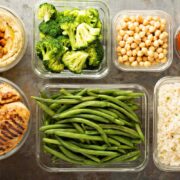
Follow a Balanced and Nutrient-Rich Diet 🥗
Weight loss works best when nutrition supports both fat reduction and overall wellness.
Include the following in daily meals:
Protein-rich foods
- Lentils
- Eggs
- Dairy products
- Lean meats
- Nuts and seeds
Complex carbohydrates
- Whole grains
- Oats
- Brown rice
- Fruits and vegetables
Healthy fats
- Olive oil
- Nuts
- Seeds
- Avocados
Balanced nutrition supports metabolism and prevents unnecessary cravings.
Control Portion Sizes Without Skipping Meals
Skipping meals often slows metabolism and increases overeating later in the day. Instead, focus on portion awareness.
Helpful strategies include:
- Using smaller plates
- Eating slowly and mindfully
- Avoiding distractions during meals
- Including fiber-rich foods for fullness
- Maintaining regular meal timing
Mindful eating improves digestion and appetite control.
Stay Physically Active Throughout the Week 🏃
Regular movement plays a key role in sustainable weight loss. Exercise improves calorie balance and supports muscle preservation.
Effective activity options include:
- Brisk walking
- Cycling
- Strength training
- Yoga sessions
- Swimming
- Home workout routines
Combining strength training with cardio delivers the best long-term results.
Strength Training Helps Preserve Muscle
Many people focus only on cardio during weight loss. However, strength training supports metabolism and body composition.
Benefits include:
- Increased calorie burn at rest
- Improved muscle tone
- Better posture and stability
- Reduced injury risk
- Stronger joints
Maintaining muscle ensures healthier weight loss outcomes.
Stay Hydrated for Better Metabolism 💧
Hydration supports digestion, appetite regulation, and energy production.
Drinking enough water helps:
- Reduce unnecessary snacking
- Improve exercise performance
- Support nutrient absorption
- Maintain body temperature balance
- Prevent fatigue during workouts
Consistent hydration improves overall weight management efficiency.
Improve Sleep Quality for Better Results 😴
Sleep plays an important role in regulating hunger hormones and recovery processes.
Better sleep habits support:
- Reduced late-night cravings
- Improved metabolism
- Better energy levels
- Stronger exercise performance
- Balanced stress hormones
Aim for 7–9 hours of quality sleep daily.
Manage Stress to Prevent Emotional Eating
Stress can interfere with healthy eating habits and weight regulation. Managing stress improves both mental health and weight loss success.
Effective stress-management strategies include:
- Deep breathing exercises
- Meditation practices
- Journaling routines
- Nature walks
- Regular physical activity
Lower stress levels support healthier decision-making.
Track Progress Beyond the Scale
Weight is only one measure of success. Monitoring other improvements keeps motivation strong.
Track progress through:
- Energy levels
- Clothing fit
- Strength improvements
- Sleep quality
- Endurance levels
- Mood stability
These indicators often improve before visible weight changes appear.
Build Habits That Support Long-Term Success
Sustainable weight loss depends on consistency rather than short-term effort.
Strong habits include:
- Planning meals ahead
- Staying physically active daily
- Maintaining hydration routines
- Prioritizing sleep schedules
- Practicing mindful eating
Healthy routines make weight management easier over time.
Frequently Asked Questions (FAQs)
1. How much weight loss per week is considered safe?
Most health professionals recommend losing about 0.5 to 1 kilogram per week for safe and sustainable progress.
2. Is it necessary to avoid carbohydrates completely for weight loss?
No, complex carbohydrates provide energy and fiber that support metabolism and digestion during weight loss.
3. Can intermittent fasting support sustainable weight loss?
Intermittent fasting can help some individuals manage calorie intake effectively when done responsibly and consistently.
4. Does drinking warm water help reduce body weight?
Warm water supports digestion and hydration but works best when combined with balanced nutrition and physical activity.
5. Are cheat meals harmful during a weight loss plan?
Occasional planned treats can improve motivation and help maintain long-term consistency when portion sizes remain controlled.
6. Should weight loss strategies differ based on age?
Yes, metabolism and activity levels change with age, so plans should be adjusted accordingly for safe progress.
7. When should someone seek professional guidance for weight loss?
Professional advice is recommended if weight loss is slow despite effort, or if underlying medical conditions affect progress.





Comments