
 By
By 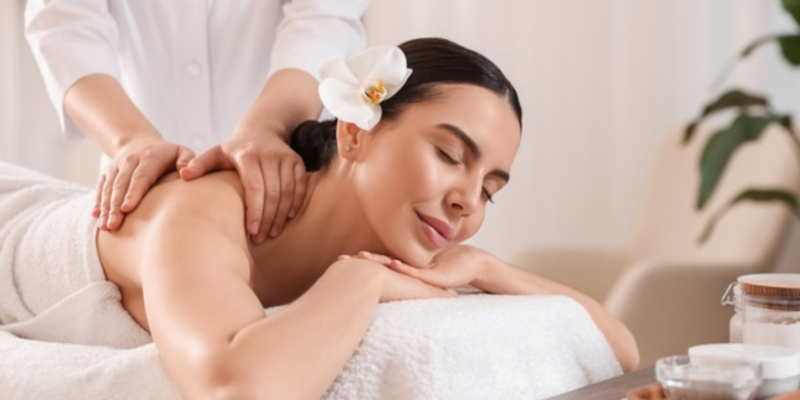
Modern life moves fast, often leaving the mind overwhelmed and the body tense. Spa therapy offers a calming retreat from everyday stress, helping restore mental balance through soothing sensory experiences. From gentle massages to aromatic steam sessions, spa treatments support emotional clarity, reduce anxiety, and encourage deep relaxation.
This article explores how spa therapy promotes mental well-being, the most effective treatments for relaxation, and practical tips for maximizing the benefits.
What Is Spa Therapy?
Spa therapy refers to a collection of therapeutic treatments designed to relax the body and calm the mind. These treatments combine physical touch, warmth, natural ingredients, water therapy, and peaceful surroundings to create a restorative experience.
Common spa therapy elements include:
- Massage therapy
- Aromatherapy
- Hydrotherapy
- Steam baths and saunas
- Herbal treatments
- Meditation-friendly environments
Together, they stimulate both the nervous system and emotional centers, helping the body shift from stress mode into relaxation mode.
How Spa Therapy Supports Mental Relaxation
Spa treatments work on multiple levels—physical, emotional, and neurological—to improve mental wellness.
1. Reduces Stress Hormones
Massage and warm-water therapies lower cortisol levels, the hormone responsible for stress. As cortisol decreases, the body naturally begins to relax and restore balance.
2. Improves Sleep Quality
Relaxed muscles and calmer breathing patterns make it easier to fall asleep and stay asleep longer. Better sleep directly improves mood and concentration.
3. Encourages Mindfulness
Spa environments promote stillness. Gentle music, soft lighting, and calming scents help shift attention away from worries toward the present moment.
4. Releases Muscle Tension
Physical tension often mirrors mental strain. Massage therapy loosens tight muscles, which signals the brain that it is safe to relax.
5. Enhances Mood Naturally
Spa treatments stimulate the release of endorphins and serotonin, which support emotional stability and happiness.
Best Spa Treatments for Mental Relaxation
Not all spa therapies work the same way. Some are especially effective for calming the mind.
Aromatherapy Massage
Essential oils such as lavender, sandalwood, and chamomile are known for their calming properties. When combined with massage, they:
- Reduce anxiety
- Improve sleep
- Promote emotional clarity
- Support deep breathing
Hydrotherapy
Warm water therapies like whirlpool baths and mineral soaking sessions help the body relax quickly.
Benefits include:
- Reduced mental fatigue
- Improved circulation
- Relief from headaches
- Enhanced nervous system balance
Steam Therapy and Sauna Sessions
Steam rooms and saunas create gentle warmth that relaxes both muscles and mental tension.
They help:
- Release toxins through sweating
- Calm the nervous system
- Improve breathing patterns
- Reduce physical stiffness
Head and Scalp Therapy
This treatment targets pressure points connected to emotional stress.
It can:
- Improve concentration
- Reduce headaches
- Promote restful sleep
- Relieve mental exhaustion
Reflexology
Reflexology applies pressure to specific points on the feet connected to internal organs and nerves. Many people experience a noticeable reduction in stress after sessions.
The Science Behind Spa Therapy and Mental Calm
Spa therapy influences the parasympathetic nervous system, which controls relaxation responses. When activated, the body:
- Slows heart rate
- Lowers blood pressure
- Improves digestion
- Stabilizes breathing
- Reduces anxiety signals
Warm water immersion and gentle touch also stimulate sensory receptors that communicate safety to the brain, encouraging emotional relaxation.
Creating a Spa-Like Experience at Home 🕯️
Professional spa visits are ideal, but simple routines at home can also provide mental relief.
Try these easy steps:
- Use calming essential oils like lavender or eucalyptus
- Take warm baths with bath salts
- Play soft instrumental music
- Practice deep breathing exercises
- Dim lighting in the evening
- Avoid screens during relaxation time
Even short sessions can improve mental clarity and reduce tension.
How Often Should You Take Spa Therapy for Mental Relaxation?
Consistency matters more than duration.
Recommended frequency:
- Once weekly for high stress levels
- Twice monthly for moderate stress
- Monthly for maintenance relaxation
Short relaxation routines at home between visits help maintain benefits.
Who Can Benefit Most from Spa Therapy?
Spa therapy is helpful for many individuals, especially those experiencing:
- Work-related stress
- Sleep difficulties
- Mental fatigue
- Anxiety symptoms
- Emotional burnout
- Headaches caused by tension
It is also beneficial for students, professionals, caregivers, and anyone seeking emotional balance.
Tips to Maximize Mental Relaxation During Spa Sessions 🌿
To get the best results from spa therapy:
- Arrive early and settle your mind
- Stay hydrated before and after treatment
- Avoid heavy meals beforehand
- Focus on breathing slowly
- Keep your phone switched off
- Allow quiet time after the session
These habits help extend the calming effects beyond the treatment itself.
Frequently Asked Questions (FAQs)
1. Can spa therapy help reduce anxiety naturally?
Yes. Many spa treatments lower stress hormones and promote relaxation chemicals in the brain, helping reduce anxiety symptoms naturally.
2. Is spa therapy safe for people with sleep problems?
Spa therapy is often recommended for sleep improvement because it relaxes muscles and calms the nervous system before bedtime.
3. Which essential oil is best for mental relaxation during spa therapy?
Lavender is widely considered the most effective oil for calming the mind and supporting better sleep.
4. How long does a typical relaxation spa session last?
Most sessions last between 45 and 90 minutes, depending on the treatment type and personal needs.
5. Can spa therapy improve focus and productivity?
Yes. Reduced stress and improved sleep often lead to better concentration and clearer thinking.
6. Is spa therapy suitable for beginners?
Absolutely. Many treatments are gentle and designed specifically for first-time visitors seeking relaxation.
7. Does spa therapy have long-term mental health benefits?
Regular sessions can support emotional stability, reduce stress levels over time, and improve overall mental well-being when practiced consistently.




Comments