
 By
By 
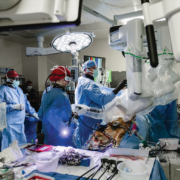
Modern surgery has transformed dramatically over the past few decades. Advances in technology have reshaped how surgeons diagnose conditions, plan procedures, and perform operations with greater precision and safety. Today, surgical care is faster, less invasive, and more effective than ever before.
Technology now plays a central role in improving patient outcomes, surgical accuracy, recovery time, and overall healthcare efficiency.
How Technology Has Changed Surgical Practice
Traditional surgery often required large incisions, longer hospital stays, and extended recovery periods. Modern technological tools have shifted surgical care toward minimally invasive techniques supported by advanced imaging and automation.
Key improvements include:
- Reduced surgical risk
- Smaller incisions
- Faster recovery times
- Greater procedural accuracy
- Enhanced patient monitoring
These innovations continue to redefine expectations for both surgeons and patients.
Robotic-Assisted Surgery 🤖
Robotic-assisted systems allow surgeons to perform complex procedures with remarkable control and precision. Instead of replacing surgeons, these systems enhance their capabilities.
Benefits include:
- Improved hand stability during delicate procedures
- Enhanced visualization through magnified 3D imaging
- Greater flexibility in confined surgical areas
- Reduced blood loss during operations
Robotic systems are widely used in procedures involving the heart, prostate, spine, and gynecological organs.
Minimally Invasive Surgical Techniques
Minimally invasive surgery uses small instruments inserted through tiny incisions rather than large surgical openings. This approach reduces trauma to surrounding tissues.
Common techniques include:
- Laparoscopic surgery
- Endoscopic procedures
- Keyhole surgery
Patients undergoing minimally invasive procedures often experience:
- Shorter hospital stays
- Reduced infection risk
- Less postoperative pain
- Faster return to normal activities
These advantages make minimally invasive surgery a preferred option whenever possible.
Advanced Imaging Technologies in Surgery 🧠
High-resolution imaging tools allow surgeons to view internal structures with exceptional clarity before and during procedures.
Examples include:
- MRI-based surgical planning
- CT-guided navigation systems
- Real-time ultrasound imaging
- 3D visualization tools
These technologies help surgeons identify target areas accurately while avoiding nearby sensitive tissues.
Artificial Intelligence in Surgical Decision-Making
Artificial intelligence supports surgeons by analyzing large volumes of medical data quickly and efficiently. It improves both planning and execution of surgical procedures.
AI contributes through:
- Predicting surgical risks
- Supporting diagnostic accuracy
- Assisting treatment planning
- Monitoring patient recovery patterns
As AI systems continue evolving, they are expected to further improve surgical precision and safety.
3D Printing in Surgical Preparation
Three-dimensional printing allows surgeons to create patient-specific anatomical models before surgery. These models help teams prepare for complex operations with better understanding of individual anatomy.
Applications include:
- Planning reconstructive surgery
- Designing customized implants
- Practicing difficult procedures beforehand
- Improving communication between surgeons and patients
Personalized surgical planning leads to more predictable outcomes.
Enhanced Surgical Training Through Simulation 🎯
Technology has improved how surgeons learn and refine their skills. Simulation-based training allows medical professionals to practice procedures safely before operating on patients.
Training tools include:
- Virtual reality surgical simulators
- Augmented reality guidance systems
- Digital anatomy platforms
These innovations strengthen surgical confidence and reduce errors in real clinical settings.
Real-Time Monitoring During Surgery
Modern monitoring systems track patient vital signs continuously throughout procedures. This allows surgical teams to respond immediately to any unexpected changes.
Monitoring technologies help observe:
- Heart activity
- Oxygen levels
- Blood pressure stability
- Brain function in neurological surgeries
Real-time monitoring ensures safer surgical environments.
Telemedicine and Remote Surgical Support 🌐
Telecommunication technology enables experts to assist surgical teams remotely. In some cases, specialists can guide procedures from different locations.
Benefits include:
- Access to expert consultation worldwide
- Improved surgical planning collaboration
- Support for hospitals in remote regions
- Faster decision-making during emergencies
Remote support expands access to specialized surgical care.
Challenges Associated with Surgical Technology
Despite its advantages, surgical technology also presents certain challenges that healthcare systems must manage carefully.
Common concerns include:
- High equipment costs
- Need for specialized training
- Dependence on technical infrastructure
- Data security considerations
Addressing these challenges ensures technology continues improving patient care responsibly.
The Future of Technology in Surgery 🚀
Emerging innovations are expected to make surgery even safer and more personalized. Advances in robotics, AI-guided navigation, and precision medicine are shaping the next generation of surgical treatment.
Future developments may include:
- Fully automated assistance systems
- Real-time molecular imaging during surgery
- Personalized surgical implants
- Smart surgical instruments with feedback sensors
These innovations promise faster recovery and higher success rates across many medical specialties.
Frequently Asked Questions (FAQs)
1. Is robotic surgery completely automated?
No. Robotic systems assist surgeons but remain fully controlled by trained medical professionals throughout the procedure.
2. Are technology-assisted surgeries safer than traditional surgeries?
In many cases, they improve accuracy and reduce complications, especially when minimally invasive techniques are used.
3. Do advanced surgical technologies increase treatment costs for patients?
Initial costs may be higher in some cases, but shorter hospital stays and faster recovery often reduce overall healthcare expenses.
4. Can small hospitals benefit from surgical technology?
Yes. Many hospitals now use telemedicine support and portable imaging systems to access advanced surgical expertise.
5. How does technology help reduce surgical complications?
Improved imaging, precision instruments, and real-time monitoring allow surgeons to avoid errors and respond quickly to risks.
6. Are patients awake during minimally invasive procedures?
Some procedures require general anesthesia, while others use local or regional anesthesia depending on the surgical type.
7. Will artificial intelligence replace surgeons in the future?
AI is designed to assist—not replace—surgeons by improving decision-making and enhancing procedural accuracy.








Comments